AI & Music · Extended Reality · Neuroscience & BCI
Computer-Supported Musical Improvisation
Doctoral research framework presented at the NIME Doctoral Consortium.
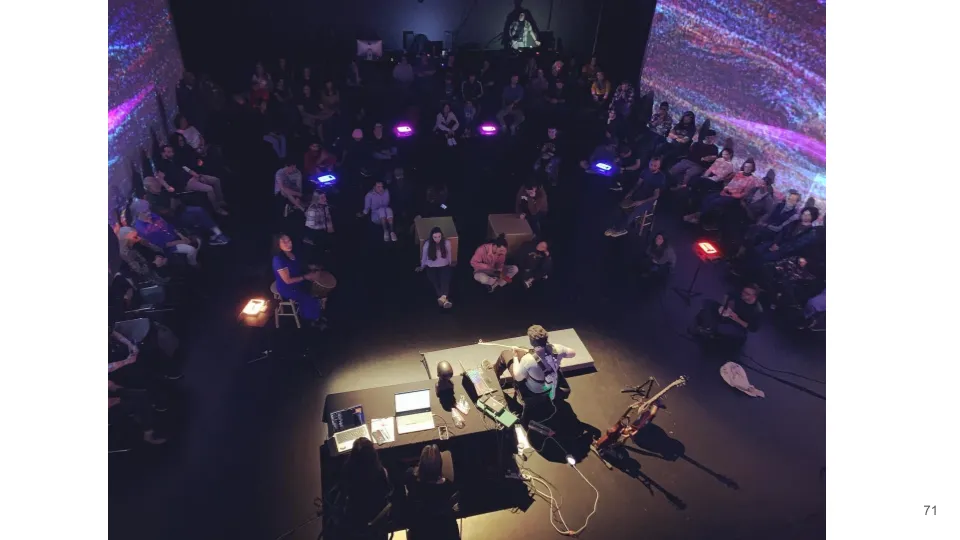
My doctoral research asks how technology can support musical improvisation, the social musical play practiced across cultures throughout human history. It identifies technology’s role in improvisation, the investigations well positioned to support it, and builds and evaluates systems that push the boundaries of technology and improvisation.
Framework
I organize the work around four areas that support improvisation and the communication of musical ideas between players: sensing, processing, representing, and networking musical information.
Four parts of the dissertation
- Expanding the circle of musicians: colored notation, Jam Tabs, and the Jam Station.
- Jamming at a distance: AR Drum Circle, network latency perception, limited field of view with holograms, and XR Jam.
- Jamming with computers: personified intelligent music tools, networked AI-driven virtual musicians, Virtual AI Jam, and BrAIn Jam.
- Incorporating the audience: Rhythmic Conversations and Stringesthesia.
Publications
-
Computer-Supported Musical Improvisation
New Interfaces for Musical Expression (NIME), Doctoral Consortium, Mexico City, Mexico, 2023.
-
Computer-Supported Music Improvisation
Ph.D. Dissertation, University of Colorado Boulder (ProQuest), Boulder, CO, USA, 2024.
-
Augmented Personification of Intelligent Music Tools for Creativity and Collaboration
ACM CHI Conference on Human Factors in Computing Systems (Workshop), New Orleans, LA, USA, 2022.
Related projects
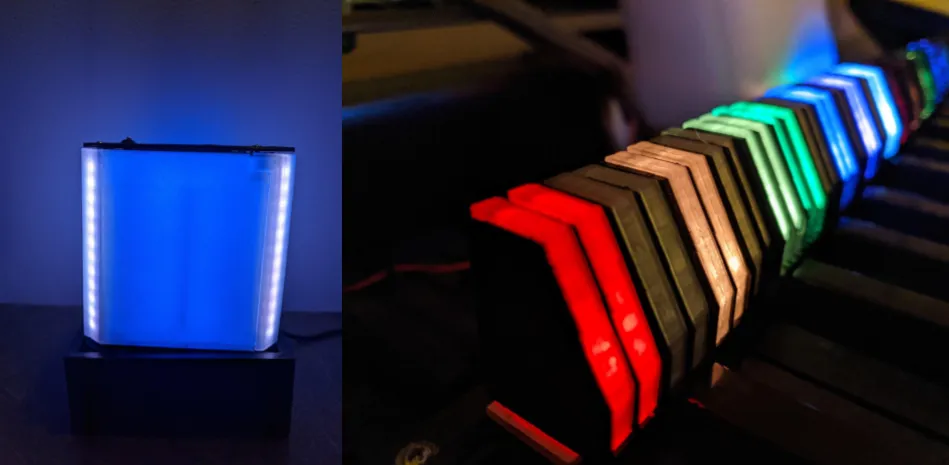
Jam Tabs
Investigating alternative, color-based music notation and tools for novice improvisation.
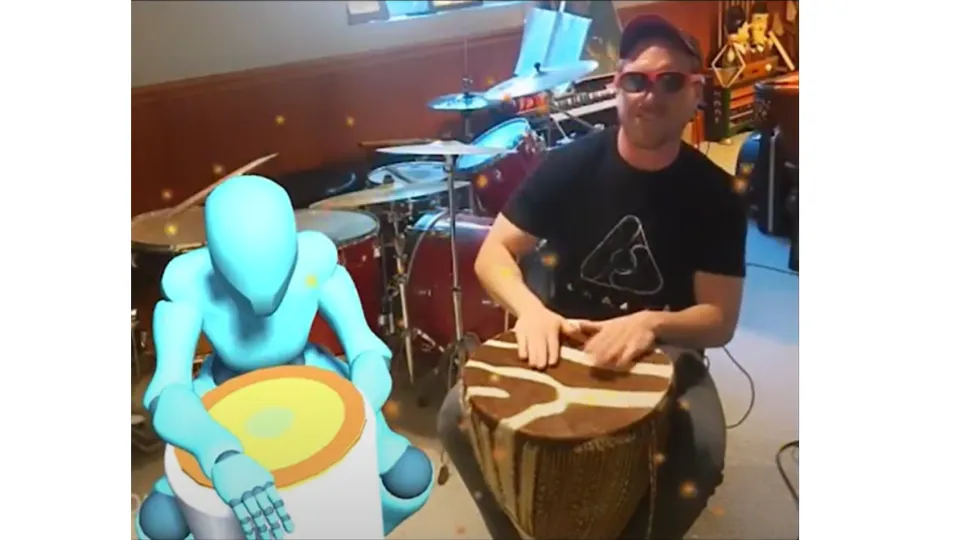
AR Drum Circle
Networked musical interaction and real-time collaboration between remote drummers in augmented reality.
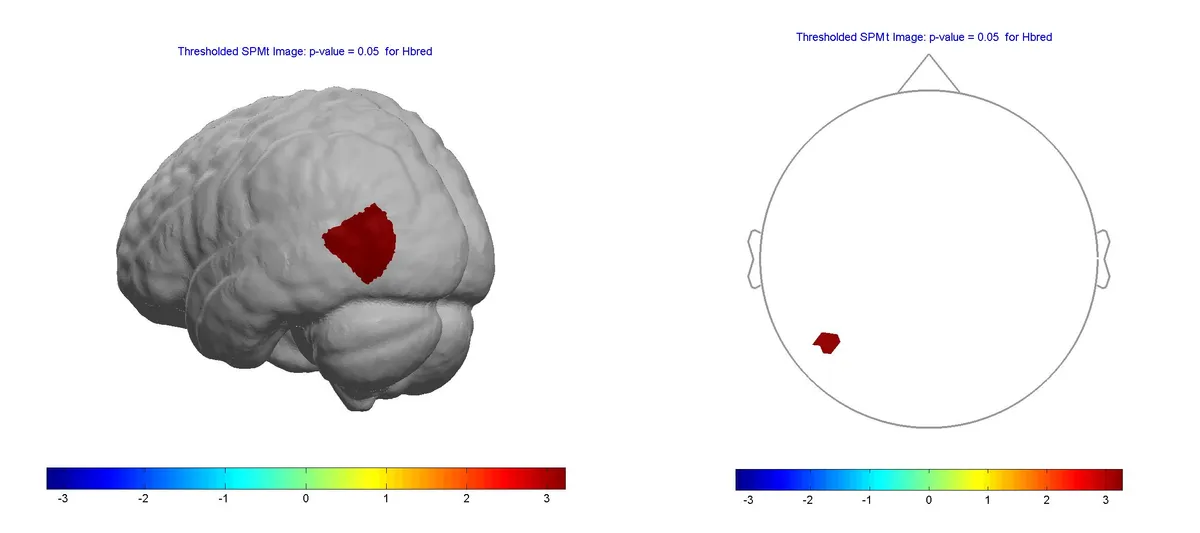
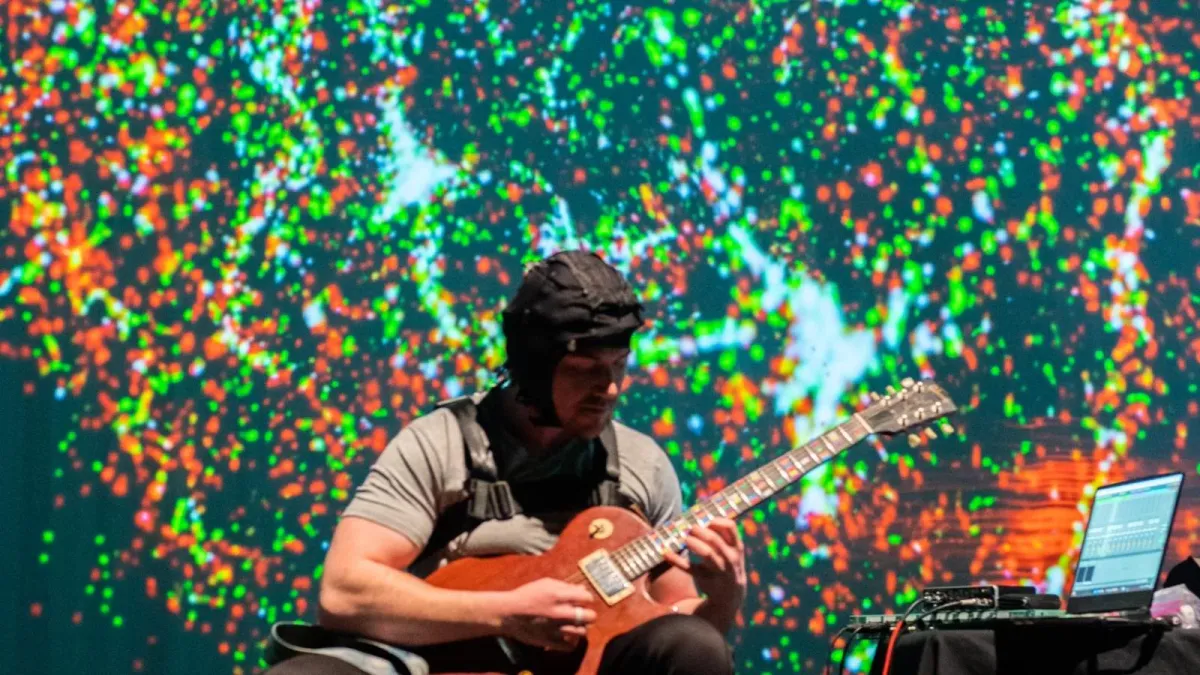
Stringesthesia
Dynamically shifting musical agency between audience and performer based on the performer’s neurally measured trust in an improvised performance.